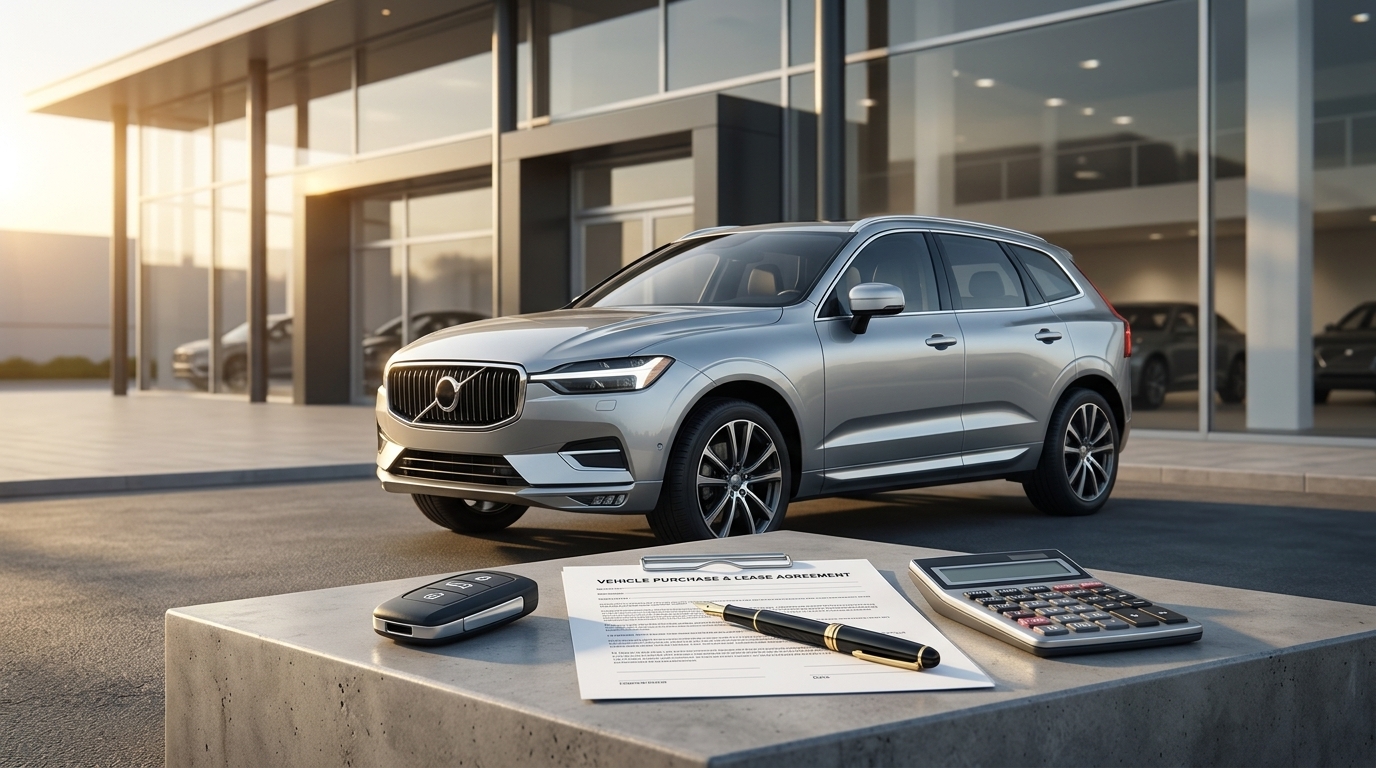
Choosing between leasing and buying a vehicle is one of the biggest financial decisions most households face. While a lower monthly payment makes leasing look attractive on the surface, buying a car builds long-term equity that can save you thousands of dollars over a decade.
Understanding how depreciation, mileage limits, and financing terms affect your wallet is the key to making the right call. This guide breaks down the true costs, hidden fees, and practical scenarios for both options so you can drive away with confidence.
How Leasing a Car Works
Leasing is essentially a long-term rental agreement, typically lasting 24 to 36 months. Instead of paying for the entire value of the vehicle, you only pay for the car's expected depreciation during the lease term, plus interest (known as the money factor) and fees.
- Lower Monthly Payments: Because you are not paying off the full principal, monthly lease payments are usually 30% to 50% lower than loan payments for the same vehicle.
- Warranty Coverage: Most leases run while the car is still under the manufacturer's bumper-to-bumper warranty, meaning unexpected repair bills are rare.
- End-of-Lease Choices: When the contract ends, you simply return the vehicle, lease a brand-new model, or pay a predetermined residual price to buy it out.
The Hidden Drawbacks of Leasing
Despite the convenience of driving a new car every few years, leasing comes with strict rules. Most contracts cap your driving at 10,000 to 15,000 miles per year, charging $0.15 to $0.30 for every extra mile. You can also face steep penalties for excess wear and tear—such as dents, stained upholstery, or worn tires—when you turn in the keys.
How Buying a Car Works
When you buy a car—either with cash or through an auto loan—you own the asset outright once the balance is paid off. Even though monthly auto loan payments are higher upfront, every payment builds equity.
- Zero Mileage Restrictions: You can drive 5,000 or 30,000 miles a year without worrying about per-mile penalties.
- Freedom to Customize: You can modify the vehicle, skip strict cosmetic inspections, and sell or trade it in whenever you choose.
- Payment-Free Years: Once a 48- or 60-month loan ends, you eliminate a major monthly bill while continuing to drive a reliable vehicle.
The Hidden Drawbacks of Buying
New vehicles lose roughly 20% of their value in the first year and up to 60% after five years. If you finance a car with a small down payment and decide to trade it in after two years, you risk being "upside down"—owing more on the loan than the car is actually worth. Additionally, once the factory warranty expires, maintenance and major repairs come directly out of your pocket.
Side-by-Side Comparison: Leasing vs. Buying
| Feature | Leasing a Car | Buying a Car (Auto Loan) |
|---|---|---|
| Upfront Costs | Low (First month's payment, acquisition fee, security deposit) | Higher (Down payment of 10%–20%, taxes, registration) |
| Monthly Payments | Lower (Covers depreciation + finance charges) | Higher (Covers full purchase price + interest) |
| Vehicle Ownership | None (You return the car at the end of the term) | Full ownership once the loan is paid off |
| Mileage Limits | Strict (Usually 10,000–15,000 miles/year with penalties) | Unlimited |
| Maintenance & Repairs | Minimal (Covered by factory bumper-to-bumper warranty) | Covered initially, then 100% out-of-pocket after warranty |
| Wear & Tear Rules | Strict standards with fees for excess damage | No penalties; normal wear only affects resale value |
| Long-Term Cost (6+ Years) | Most expensive (Continuous cycle of monthly payments) | Most economical (Years of payment-free driving) |
When Leasing Is the Smarter Choice
Leasing fits best if you prioritize predictability and modern technology over long-term wealth building. Consider leasing if you meet these criteria:
- You Drive Predictable, Low Mileage: Your daily commute is short, and you rarely take long road trips.
- You Always Want the Latest Safety & Tech: You enjoy upgrading to newer driver-assistance features, better fuel economy, or electric vehicle (EV) battery improvements every three years.
- You Have a Qualifying Business: Self-employed professionals and business owners can often deduct a portion of lease payments as a business expense (always consult a CPA for current tax rules).
- You Hate Repair Surprises: You prefer a fixed monthly transportation budget without worrying about transmission or electronics failures down the road.
When Buying Makes More Financial Sense
From a pure personal finance standpoint, buying a reliable vehicle and driving it long after the loan is paid off is the proven path to saving money. Buying is ideal if:
- You Keep Cars for 7 to 10+ Years: Enjoying four or five years with no car payment frees up thousands of dollars to invest or build your emergency fund.
- You Drive High Mileage: Commuters, rideshare drivers, and frequent travelers would quickly get crushed by lease overage fees.
- You Have Kids or Pets: Everyday spills, scratches, and heavy cargo won't trigger an expensive inspection bill at turn-in.
- You Want Lower Insurance Costs: Leased vehicles typically require higher liability limits and mandatory gap coverage, increasing your monthly auto insurance premium.
Pro Tips Before You Visit the Dealership
- Negotiate the Price First: Whether you lease or buy, always negotiate the capitalized cost (sale price) of the vehicle before discussing monthly payments.
- Check the Money Factor on Leases: Ask the dealer for the "money factor" and multiply it by 2,400 to see the equivalent annual interest rate (APR). If it is much higher than current market auto loan rates, shop around.
- Consider Buying a 2- to 3-Year-Old Certified Pre-Owned (CPO) Car: You let the original owner absorb the steepest initial depreciation while still getting a manufacturer-backed warranty at a much lower purchase price.
The Bottom Line
If you view a car as a monthly subscription for hassle-free driving and always want the newest model in your driveway, leasing delivers convenience and lower monthly bills. However, if your primary goal is minimizing your lifetime transportation costs and building net worth, buying a reliable vehicle—and keeping it well past the final loan payment—is the clear financial winner.