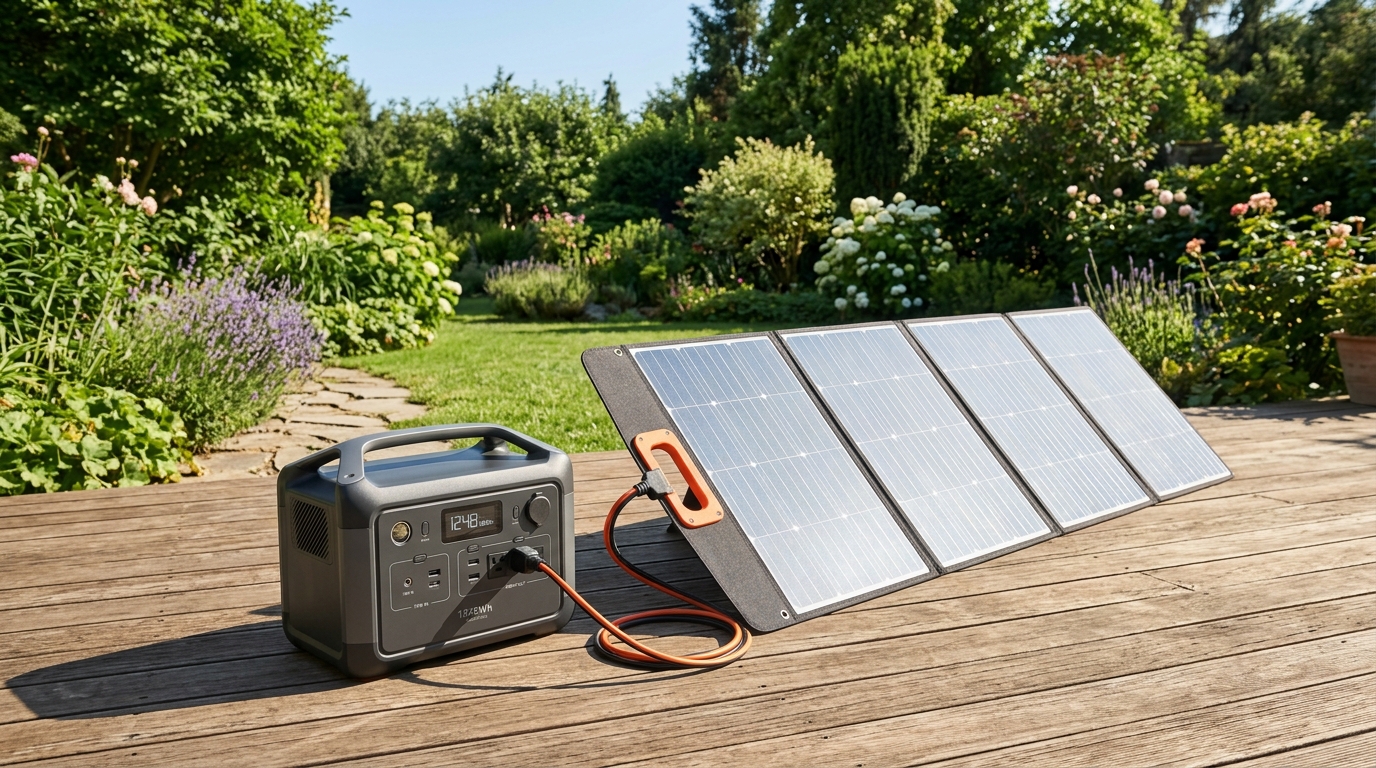
Severe weather storms, aging electrical grids, and unexpected blackouts are making home backup power a top priority for families everywhere. Traditionally, preparing for a power outage meant buying a loud, heavy gasoline generator and storing cans of flammable fuel in the garage.
Today, modern Portable Power Stations (often called solar generators) have transformed emergency power. Powered by safe, long-lasting lithium batteries that recharge from a standard wall outlet or foldable solar panels, these silent units can keep your Wi-Fi router, refrigerator, medical devices, and phones running indoors without toxic fumes. Here is a complete comparison to help you choose the right backup power solution for your home.
Quick Comparison: Portable Power Stations vs. Gas Generators
| Feature | Portable Power Station (Battery) | Traditional Gas Generator |
|---|---|---|
| Safe for Indoor Use? | Yes (Zero carbon monoxide or fumes) | No (Must run 20+ feet outside) |
| Noise Level | Whisper-quiet (Under 30–40 dB) | Very loud (65 to 85+ dB) |
| Fuel & Maintenance | None (Recharges via wall outlet or solar) | Requires fresh gasoline, oil changes & spark plugs |
| Upfront Cost | Moderate to High ($300 – $1,800+) | Moderate ($400 – $1,200+) |
| Best For | Apartments, home offices, fridges & electronics | Running central air conditioners for days |
1. Why Portable Power Stations Are Winning for Everyday Emergencies
For 90% of typical power outages lasting anywhere from two hours to two days, a mid-sized 1,000Wh to 2,000Wh portable power station is dramatically easier and safer to use than a gas engine.
- Instant Plug-and-Play Convenience: There are no pull-cords to yank, no stale fuel clogging carburetors, and zero fumes. You simply keep the unit plugged into a wall outlet at home; the moment the lights go out, you plug your refrigerator, internet router, and lamps directly into its standard AC outlets.
- Apartment and Condo Friendly: Because traditional gas generators emit deadly carbon monoxide, apartment dwellers and condo owners cannot legally or safely operate them on balconies. A battery power station operates completely silently right inside your living room.
2. Look for LiFePO4 (LFP) Battery Chemistry Before Buying
Not all battery power stations are built to last. Older models used standard lithium-ion batteries that begin losing capacity after just 500 charge cycles.
- The Smart Hardware Choice: Always choose a power station built with LiFePO4 (Lithium Iron Phosphate) battery cells. LiFePO4 batteries are much safer against overheating and are rated for 3,000 to 4,000+ full charge cycles—meaning you can use the unit every single day for ten years and it will still retain over 80% of its original battery capacity.
3. Adding Foldable Solar Panels for Multi-Day Off-Grid Power
The biggest limitation of any battery unit is that once it runs empty, you need a way to recharge it if the neighborhood power grid is still down.
- The Smart Fix: Pairing your power station with 200W to 400W foldable solar panels turns it into a self-sustaining solar generator. Simply set the panels outside in direct sunlight during the day to recharge the battery for free while powering your essential devices simultaneously—giving you unlimited renewable energy during extended emergencies or weekend camping trips.
4. How to Calculate the Right Battery Size (Watt-Hours)
Power stations are measured in Watt-Hours (Wh), which tells you how much energy is stored inside the battery tank.
- The Simple Formula: Check the wattage label on the appliances you want to run. For example, a modern Wi-Fi router uses about 15 watts, a laptop uses 60 watts, and an average kitchen refrigerator uses roughly 150 watts (cycling on and off). A 1,024Wh power station can keep your Wi-Fi router running for over 50 hours, or power a full-sized refrigerator for roughly 6 to 8 hours on a single charge.
5. When a Traditional Gas or Dual-Fuel Generator Still Makes Sense
Despite the massive convenience of battery stations, traditional combustion generators still hold one major advantage: raw, continuous heavy-duty power.
- When to choose gas/propane: If you live in an area prone to week-long hurricanes or winter ice storms and need to run high-wattage appliances like a central home air conditioner, electric well pump, or electric water heater continuously, a dual-fuel inverter generator (capable of running on both gasoline and clean-burning propane tanks) remains the most practical heavy-duty workhorse.
Building Reliable Energy Security at Home
Preparing for power outages does not have to mean dealing with noisy engines and messy fuel cans. Investing in a modern LiFePO4 portable power station gives your household clean, silent, indoor-ready electricity that keeps your family connected, your food cold, and your devices charged whenever the grid goes down.