Buying a used car is one of the smartest ways to avoid the steep depreciation hit that comes with driving a brand-new vehicle off the dealership lot. However, shopping in the pre-owned market also carries risks. Hidden accident damage, rolled-back odometers, or neglected engine maintenance can quickly turn a bargain purchase into a financial nightmare.
Whether you are buying from a local dealership or a private seller, taking a few essential precautions before handing over your money will protect your wallet and ensure you drive away in a reliable vehicle. Here are five crucial things to check before buying a used car.
1. Always Run a Vehicle History Report
A glossy paint job and a clean interior can easily hide a troubled past. Before you even schedule a test drive, ask the seller for the car’s 17-digit Vehicle Identification Number (VIN).
- The Smart Fix: Enter the VIN into a trusted vehicle history database (such as Carfax or AutoCheck). Within minutes, you will see if the car has ever been declared a total loss (salvage title), suffered flood or frame damage, had its odometer tampered with, or missed critical manufacturer safety recalls. If a seller refuses to share the VIN, walk away immediately.
2. Inspect Maintenance Records and Service History
How a car was treated by its previous owner matters far more than the number on the odometer. A well-maintained car with 90,000 miles is often a much safer bet than a neglected car with 45,000 miles.
- The Smart Fix: Ask to see physical receipts or digital service logs proving regular oil changes, transmission fluid flushes, and timing belt replacements. Consistent maintenance records show that the previous owner took care of the vehicle and significantly boost your confidence in its long-term reliability.
3. Look Closely for Signs of Hidden Bodywork and Rust
Even minor fender-benders can cause alignment or electrical problems if they were repaired cheaply in an uncertified shop.
- The Smart Fix: Inspect the car in bright daylight—never at night or in the rain, which hides paint flaws. Walk around the vehicle and check the gaps between the doors, hood, and trunk; uneven spacing often signals a prior collision. Look underneath the car and inside the wheel wells for severe structural rust, and run your fingers along the edges of the doors to feel for rough paint overspray.
4. Take a Thorough, Distraction-Free Test Drive
A quick five-minute drive around the block is not enough to uncover mechanical issues. You need to test how the vehicle performs under different driving conditions.
- The Smart Fix: Turn off the radio and air conditioning so you can listen carefully to the engine, suspension, and brakes. Drive on both city streets and the highway. Pay close attention to whether the transmission shifts smoothly without hesitating, if the steering wheel vibrates at higher speeds, and whether the car pulls to one side when you apply the brakes firmly.
5. Pay for an Independent Pre-Purchase Inspection (PPI)
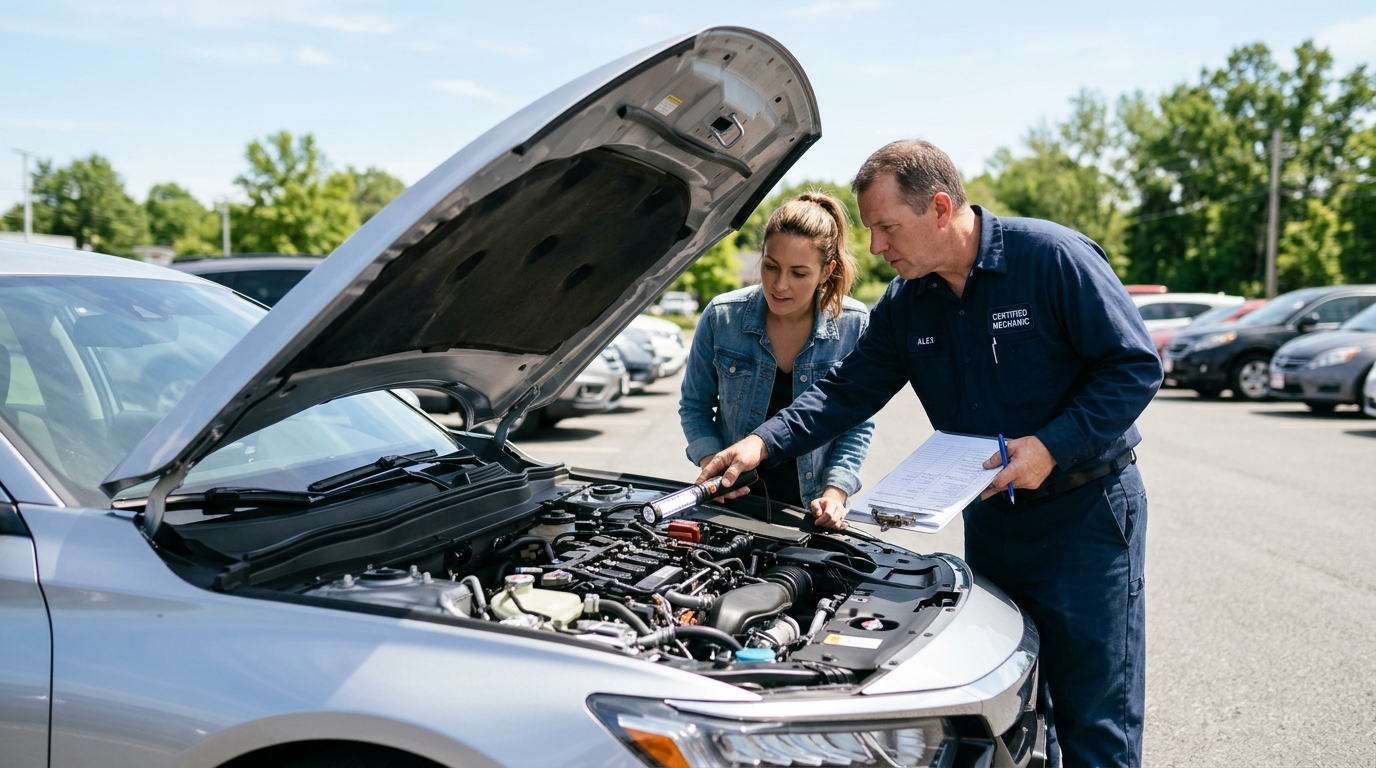
Even if you know a lot about cars, you cannot spot internal engine leaks or worn suspension bushings without lifting the vehicle onto a hydraulic hoist.
- The Smart Fix: Before signing any purchase contract, tell the seller you want to take the car to an independent, certified mechanic for a Pre-Purchase Inspection (PPI). Spending $100 to $150 on a professional inspection can uncover thousands of dollars in hidden repairs—giving you the leverage to negotiate a much lower price or walk away from a bad deal before it is too late.
Driving Away with Total Financial Confidence
Patience is your greatest asset when shopping for a pre-owned vehicle. By verifying the car's history, testing it thoroughly on the road, and having a trusted mechanic inspect it underneath, you can secure a dependable, budget-friendly car that serves you well for years to come.