Owning a vehicle is one of the biggest ongoing expenses for any household. While sudden mechanical breakdowns can feel like unavoidable bad luck, automotive experts agree that the vast majority of expensive engine and transmission failures are completely preventable through simple, routine care.
Staying on top of basic maintenance not only protects your wallet from massive repair bills, but it also keeps your car running safely and improves your daily fuel economy. Here are five essential car maintenance habits every driver should follow to extend the life of their vehicle.
1. Never Delay Routine Oil and Filter Changes
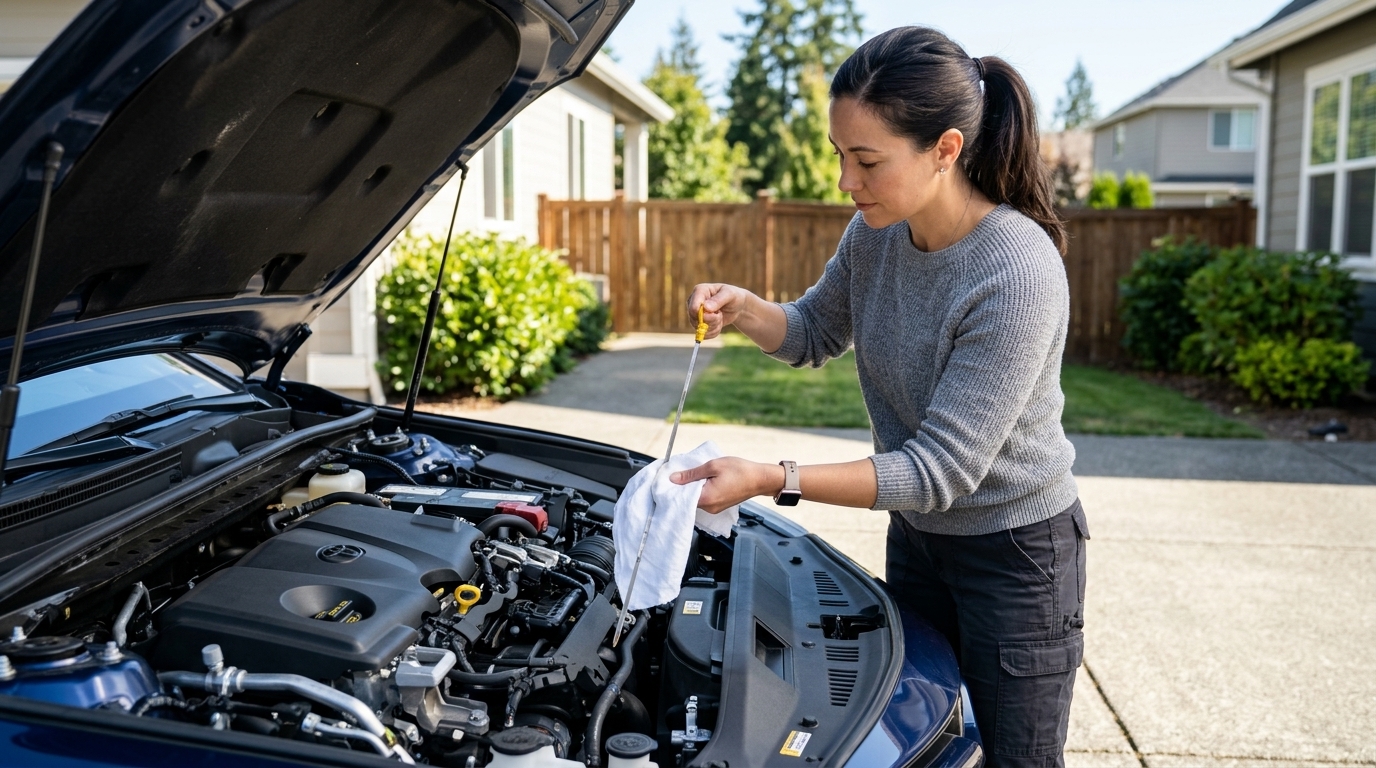
Engine oil acts as the lifeblood of your car, lubricating fast-moving metal parts and preventing the engine from overheating. Over time, oil breaks down and collects dirt and debris, turning into thick sludge that damages internal components.
- The Smart Fix: Check your owner’s manual and stick strictly to the recommended oil change intervals (typically every 5,000 to 7,500 miles for modern synthetic oils). Spending fifty dollars on a routine oil change is infinitely cheaper than paying five thousand dollars for a seized engine replacement.
2. Check Your Tire Pressure Monthly
Driving on underinflated tires does much more than just wear down the rubber unevenly; it creates extra rolling resistance that forces your engine to burn significantly more gasoline on every single trip.
- The Smart Fix: Buy an inexpensive digital tire pressure gauge and check all four tires—plus your spare—at least once a month when the tires are cold. Keeping your tires inflated to the exact PSI listed on the sticker inside your driver’s side door boosts gas mileage by up to 3% and prevents dangerous blowouts on the highway.
3. Replace Engine and Cabin Air Filters Regularly
Your car relies on a clean flow of air to mix properly with fuel inside the engine. When the engine air filter becomes clogged with dust, leaves, and road grime, your vehicle loses acceleration power and wastes fuel.
- The Smart Fix: Inspect your engine air filter every 12,000 to 15,000 miles. Replacing both the engine air filter and the cabin air filter takes less than ten minutes with zero tools required—allowing you to buy the parts online for a fraction of what a dealership charges for labor.
4. Pay Attention to Brake Pad Wear Early
Ignoring squeaking or grinding noises when you press the brake pedal is both a major safety hazard and an expensive mistake.
- The Smart Fix: Brake pads are designed to wear down and be replaced cheaply. However, if you wait until the pad material is completely gone, the metal backing plate will grind directly into your brake rotors—doubling or tripling your repair bill because you will have to replace the rotors as well. Have your brakes inspected during every tire rotation.
5. Protect Your Battery and Clean the Terminals
Car batteries rarely fail with plenty of advance notice, often leaving drivers stranded in parking lots on cold mornings or hot afternoons.
- The Smart Fix: Most car batteries last between three to five years. Once your battery passes the three-year mark, ask an auto parts store to run a free voltage test every six months. Additionally, keep the battery terminals free of white or blue powdery corrosion using a simple wire brush and baking soda solution to ensure a strong electrical connection.
Protecting Your Vehicle’s Resale Value
Keeping a simple folder or digital log of your routine oil changes, tire rotations, and filter replacements pays off twice: you enjoy a reliable, fuel-efficient car today, and you can prove to future buyers that the vehicle was well cared for—commanding a much higher resale price when it is time to upgrade.