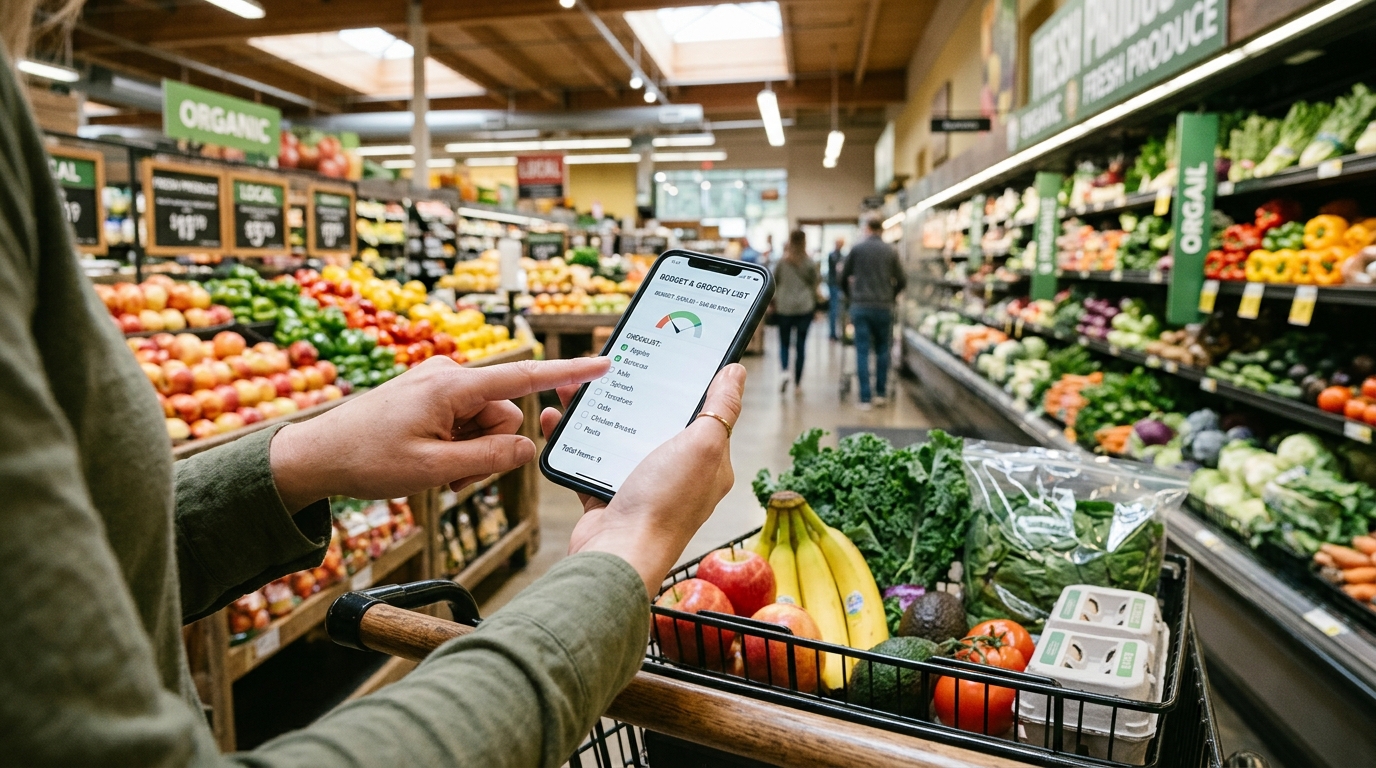
Food is one of the most significant and recurring expenses in any household budget. With inflation continuously impacting global food prices, many families notice their monthly grocery receipts creeping higher and higher, even when purchasing the exact same items.
The good news is that you do not need to compromise on nutrition or skip your favorite meals to balance your account. By implementing a few strategic shopping habits, you can drastically reduce your grocery bill and free up extra funds for your personal finances. Here are five practical ways to save money at the supermarket.
1. Master the Art of Reverse Meal Planning
Traditional meal planning involves picking recipes first and then buying the ingredients. However, this often forces you to purchase items that are not on sale, driving your total bill upward.
- The Smart Switch: Practice reverse meal planning instead. Check your local supermarket’s weekly discount flyer online before you step out. Build your weekly menu strictly around the proteins, fruits, and vegetables that are heavily discounted for that specific week.
2. Never Underestimate the Value of Store Brands
Many consumers automatically reach for highly advertised, recognizable national brands out of pure habit, assuming that higher prices equate to superior quality.
- The Smart Switch: Give store-branded items (generic or private label products) a fair chance. In most cases, these products are manufactured by the exact same suppliers as major brands but cost between 20% to 30% less simply because they lack expensive marketing budgets. Testing store brands on kitchen staples like flour, sugar, canned goods, and oats is an instant way to save.
3. Look Above and Below the Eye-Level Shelves
Supermarkets are meticulously designed environments engineered to make you spend as much money as possible. Grocery stores intentionally place the most expensive, high-profit margin brands right at average eye level, where they are easiest to spot.
- The Smart Switch: Break the habit of only scanning the middle shelves. Force yourself to look at the very top and very bottom shelves. This is where stores place bulk packages, lesser-known budget brands, and high-value generic options that offer a much better price-per-ounce ratio.
4. Learn to Track the Unit Price, Not the Total Price
A large package or a bright "Special Sale" sign does not always mean you are getting a great financial deal. Manufacturers frequently adjust packaging sizes downwards—a phenomenon known as "shrinkflation"—while keeping prices the same.
- The Smart Switch: Always check the tiny text in the corner of the shelf price tag, which displays the unit price (cost per ounce, gram, or pound). Comparing unit prices allows you to see whether buying two small packages is actually cheaper than buying one large "family size" box.
5. Clean Out Your Pantry Before Shopping
Food waste is essentially throwing hard-earned money straight into the garbage bin. The average household discards a massive percentage of fresh produce and leftovers simply because they forget what is already sitting in their kitchen.
- The Smart Switch: Declare one night a week as a "pantry raid" night. Before creating your next shopping list, challenge yourself to cook a meal using exclusively what you already have in your freezer, cupboards, and refrigerator drawers. You will be surprised by how many complete dishes you can create, allowing you to delay your next supermarket trip by a full day or two.
Building Long-Term Financial Freedom
Cutting down your food expenses is all about consistency. Saving just twenty or thirty dollars on each weekly trip compounds into hundreds of dollars over the year—money that can be redirected into your savings account, investments, or paying down debt.