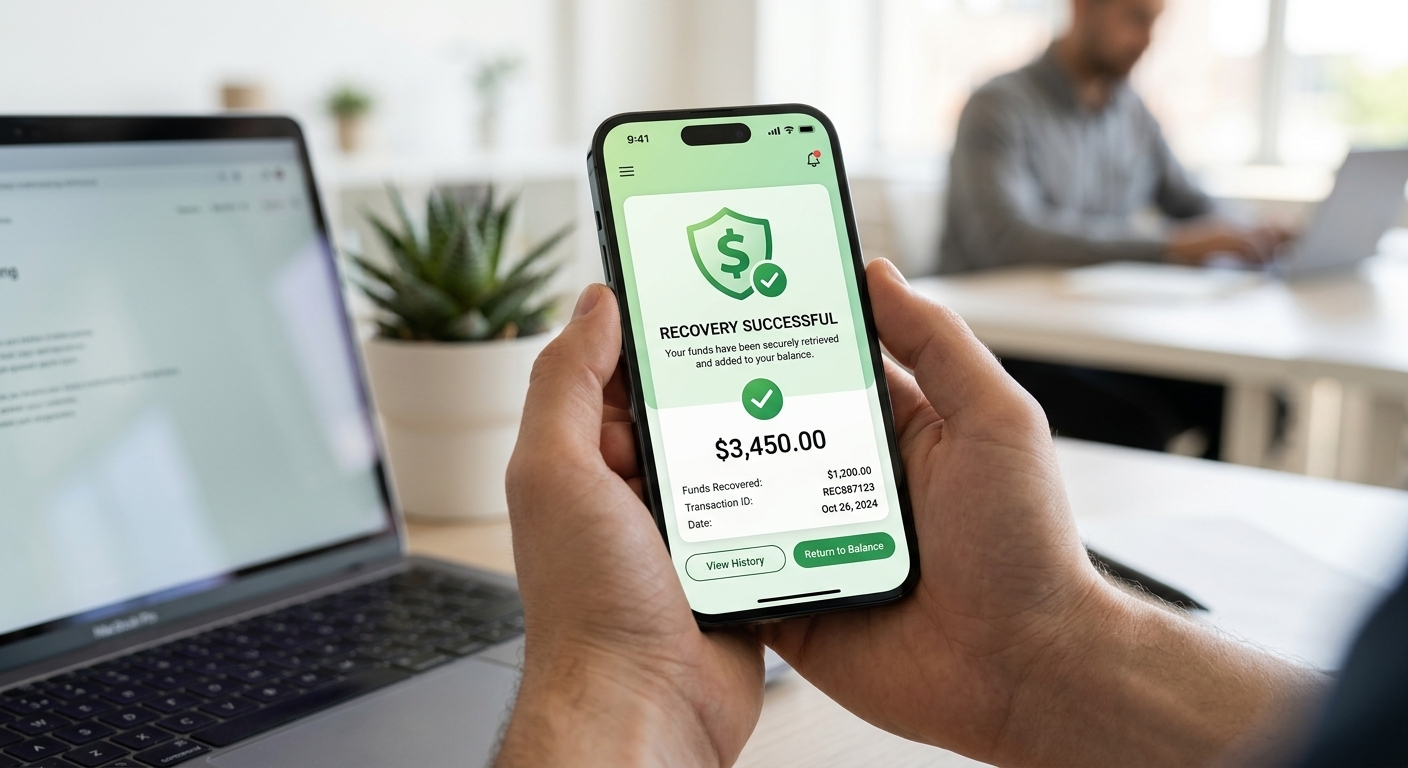
Have you ever closed a bank account, changed jobs, or forgotten about an old savings deposit? Millions of dollars around the world sit unclaimed in financial institutions every year. Many people have no idea they have rightful ownership of "forgotten money" that could be easily recovered with just a few clicks.
In this guide, we will show you how unclaimed funds happen, the official ways to check if you have any balances under your name, and the safe step-by-step process to request a withdrawal directly to your current account.
What Exactly Are Unclaimed Financial Funds?
Unclaimed property or forgotten money refers to assets held by financial institutions, employers, or government agencies that have had no customer-generated activity for a long period—usually between three to five years.
Once an account becomes dormant, banks are required by law to turn these funds over to state treasuries or central banking systems for safekeeping until the rightful owner claims them.
Most common sources of forgotten money:
- Dormant Savings Accounts: Old bank accounts you opened years ago and stopped using.
- Uncollected Wages: Final paychecks from former employers that were never picked up or deposited.
- Overpaid Bills: Utility companies or insurance providers issuing refunds that never reached your address.
- Uncashed Checks: Official checks or money orders that were misplaced before being cashed.
Step-by-Step: How to Safely Search for Your Money
The process of checking and claiming your funds is completely free. You should never pay a private company or third-party service to do this search for you.
1. Use the Official Central Bank or Treasury Portals
Every country or state has an official public registry to look up unclaimed financial assets:
- In the United States: You can use verified networks like MissingMoney.com or check directly with the National Association of Unclaimed Property Administrators (NAUPA).
- In Brazil: The Central Bank provides the official Valores a Receber system (SVR).
- In the United Kingdom: The official government platform Gov.uk offers dedicated tools to trace old bank accounts and lost pensions.
2. Enter Your Information for Verification
Once you access the correct official platform for your region, you will need to input basic identification details. This typically includes your full legal name, tax identification number (such as an SSN or CPF), and your date of birth.
3. Submitting the Retrieval Claim
If the system locates any values under your name, it will display the financial institution responsible for the custody of the money. You can click on "Request Refund" (Solicitar Resgate) to transfer the balance. The system will ask for your active banking details to complete the transfer via wire or direct deposit within a few business days.
Avoid Scams: Important Security Recommendations
Because this topic is highly popular, cybercriminals frequently create fake websites and send fraudulent text messages (phishing) claiming you have thousands of dollars waiting for you.
Always verify that the website URL ends in an official government extension (like .gov or .gov.br) before entering any personal or financial information. Official central banks and state treasuries will never send text messages or WhatsApp alerts asking for passwords, credit card numbers, or upfront fees to release your money.