Smart home technology is often marketed as a futuristic luxury—voice-controlled mood lighting, automated window blinds, and refrigerators with built-in touchscreens. While those features are fun, many homeowners hesitate to buy smart devices because they assume they are expensive toys that never pay off.
However, a specific group of energy-focused smart home gadgets acts as a silent money-saving investment. By automatically adjusting heating, cooling, and standby electricity based on your real-time schedule, these devices routinely cut household utility bills by 15% to 25% every year—paying for their entire purchase price within just a few months. Here are five smart home gadgets that actually lower your monthly bills.
Quick Comparison: Best Energy-Saving Smart Home Devices
| Smart Device | Average Purchase Cost | Estimated Annual Savings | Average Payback Time |
|---|---|---|---|
| Smart Learning Thermostat | $130 – $250 | $140 – $180 / year | 9 to 15 months |
| Smart Wi-Fi Power Strips | $25 – $45 | $50 – $90 / year | 5 to 8 months |
| Smart LED Light Bulbs | $15 – $40 (4-pack) | $45 – $75 / year | 4 to 7 months |
| Smart Sprinkler Controller | $100 – $180 | $120 – $200 / year | 8 to 14 months |
| Smart Water Leak Sensors | $30 – $60 | Prevents $5,000+ flood damage | Immediate peace of mind |
1. A Smart Learning Thermostat (Biggest Overall Impact)
Heating and air conditioning account for nearly half of the average household’s annual energy bill. Yet, traditional programmable thermostats are notoriously clunky, leaving most families paying to heat or cool an empty house while everyone is at work or school.
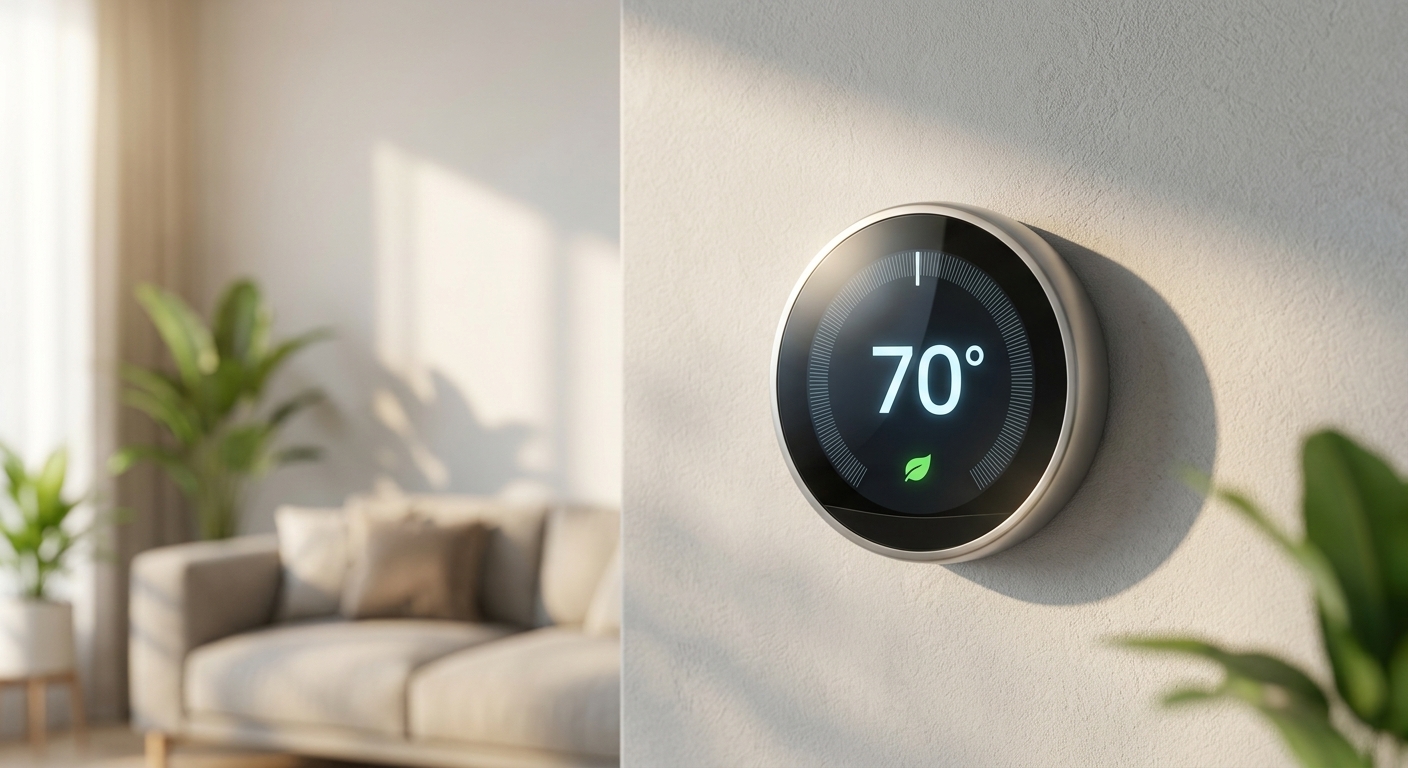
- How it saves money: Modern smart thermostats (such as the Google Nest or ecobee Smart Thermostat) use built-in occupancy sensors and smartphone geofencing to automatically lower heating or cooling the exact minute everyone leaves the house—and warm or cool the rooms back down right before you pull into the driveway.
- Bonus Rebate Tip: Before buying, check your local electric or gas utility company’s website—many energy providers offer instant $50 to $100 rebates that cover nearly half the cost of a smart thermostat.
2. Smart Wi-Fi Power Strips to Kill "Vampire" Standby Power
Even when your 4K television, gaming console, desktop monitor, and soundbar are switched off, they continue quietly drawing electricity 24 hours a day—a hidden energy drain known as vampire power (or phantom load), which accounts for up to 10% of residential electricity bills.
- How it saves money: Plugging your entertainment center or home office gear into a Smart Power Strip allows you to schedule outlets to shut off completely overnight or automatically cut power to peripheral accessories the moment your primary TV or computer turns off.
3. Smart LED Bulbs With Motion and Daylight Schedules
Replacing old incandescent bulbs with standard LEDs already slashes lighting energy use by 75%, but pairing LEDs with smart automation eliminates wasted electricity from lights accidentally left burning in empty hallways, basements, and outdoor porches.
- How it saves money: Smart LED bulbs connect directly to your Wi-Fi without needing an expensive hub. You can set outdoor porch lights to turn on automatically at sunset and shut off at sunrise, dim indoor lights to 60% brightness in the evening (which cuts power draw noticeably without feeling dark), and trigger lights off automatically when rooms are empty.
4. A Weather-Aware Smart Sprinkler Controller
For homeowners with lawns or gardens, traditional timer-based irrigation systems blindly water the grass on a fixed schedule—even during the middle of a pouring rainstorm or cool, humid autumn weeks.
- How it saves money: A Smart Sprinkler Controller (like Rachio) connects to local hyper-accurate weather forecasts over Wi-Fi. It automatically skips scheduled watering cycles whenever rain is detected or predicted, adjusts watering times based on seasonal temperatures, and can cut outdoor water bills by 30% to 50% during peak summer months.
5. Smart Water Leak and Freeze Detectors
While not a monthly utility reducer, a single burst washing machine hose or leaking water heater pipe causes an average of $10,000+ in structural water damage and skyrocketing insurance deductibles.
- How it saves money: Inexpensive, battery-powered smart water sensors tuck discreetly under kitchen sinks, behind toilets, and next to your water heater. The instant a single drop of moisture touches the sensor probes, it sounds an audible alarm and sends an urgent alert directly to your smartphone—allowing you to shut off the main water valve before a tiny drip turns into a flooded floor.
Building a Smarter, More Efficient Home
You do not need to rewire your entire house to start seeing lower utility bills. Starting with a single smart thermostat and a couple of smart power strips gives you complete control over your home’s biggest energy drains from anywhere in the world—putting real money back into your budget every single month.